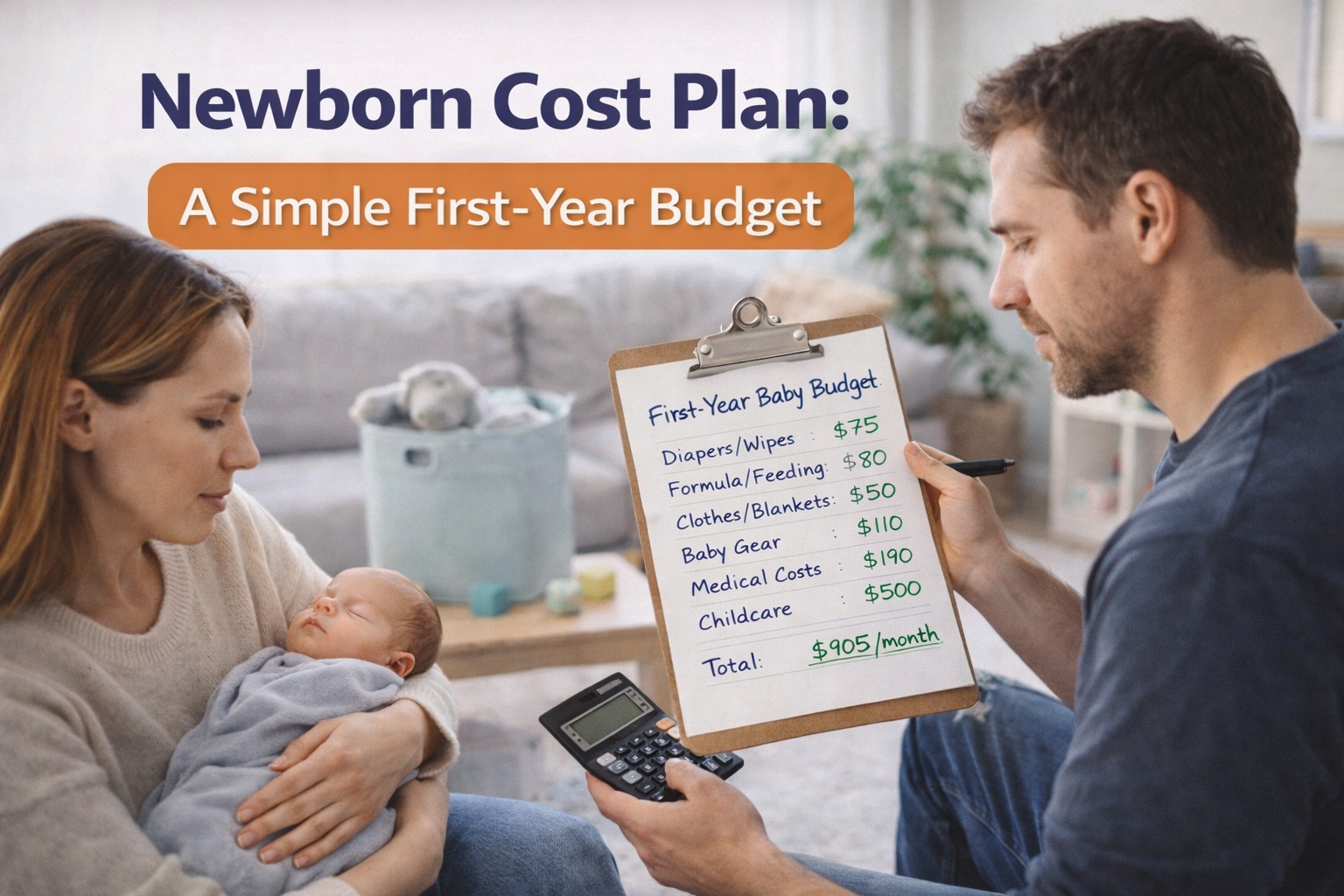
Welcoming a newborn is a joyful experience—but it can also be expensive. Many parents underestimate the first-year costs of baby essentials, medical care, and unexpected items. A clear newborn cost plan helps reduce financial stress, keep priorities straight, and ensure your family enjoys this milestone without worry.
This guide will help you:
-
Understand typical first-year expenses
-
Prioritize essential purchases
-
Save where possible
-
Create a realistic monthly budget
Why a Newborn Cost Plan Matters
Babies change fast. What seems essential at birth may be irrelevant by month six. A thoughtful budget allows you to:
-
Avoid overspending on non-essential items
-
Prepare for unexpected expenses
-
Focus on needs over trends or gifts
-
Reduce financial anxiety
Being intentional with money supports both baby and family well-being.
Average First-Year Baby Costs
While costs vary depending on location, lifestyle, and income, here’s a general breakdown:
Category Estimated Cost (USD) Notes Diapers & wipes $600–$1,200 About 8–10 diapers/day Formula & feeding $500–$1,500 Includes bottles, formula, and accessories Clothing $400–$800 Babies outgrow clothes quickly Nursery setup $500–$1,500 Crib, mattress, dresser, décor Gear & accessories $600–$1,200 Stroller, car seat, baby carrier Health & medical $500–$1,500 Visits, vaccines, insurance copays Miscellaneous $300–$600 Toys, books, baby-proofingTotal Estimated First-Year Costs: $3,400–$8,300
These numbers include essentials but can be adjusted depending on your priorities and local costs.
Step 1: Prioritize Essentials
Not everything on the registry is necessary in the first year. Focus on:
-
Safe sleep setup (crib + mattress)
-
Diapers and wipes
-
Clothing basics (5–10 outfits per size)
-
Car seat (new and compliant with safety standards)
-
Feeding supplies (bottles, breast pump or formula)
Other items can be added gradually as needed.
Step 2: Track Your Monthly Expenses
Breaking down costs month by month makes budgeting manageable.
Example Monthly Breakdown
Month Key Expenses Estimated Cost 0–1 Diapers, formula, crib setup, clothing $800–$1,200 2–3 Ongoing diapers, formula, clothes, health checkups $500–$800 4–6 Stroller, baby carrier, new clothing $400–$700 7–9 Toys, books, teething items $300–$600 10–12 Clothing updates, safety proofing, miscellaneous $400–$700Tracking each category helps prevent surprises.
Step 3: Look for Cost-Saving Opportunities
Parents can save significantly without sacrificing quality.
Smart Ways to Save
-
Buy gently used gear (strollers, high chairs, carriers)
-
Accept hand-me-down clothing and nursery items
-
Use coupons and cashback for diapers and formula
-
Sign up for parent programs from hospitals or retailers
-
Compare insurance plans and pediatrician costs
Small savings accumulate over the first year.
Step 4: Account for Healthcare Costs
Healthcare is often the largest unexpected expense.
What to Budget
-
Routine pediatric visits and vaccines
-
Sick visits and prescriptions
-
Health insurance premiums and copays
-
Dental and eye exams if applicable
Even small co-pays each month add up—plan ahead.
Step 5: Plan for Emergencies
Set aside an emergency fund for:
-
Unexpected hospital visits
-
Equipment replacements
-
Travel costs (for medical appointments)
A buffer of $500–$1,000 can provide peace of mind.
Step 6: Track and Adjust Your Budget
No plan is perfect. Revisit your budget regularly:
-
Update monthly with actual expenses
-
Remove items no longer needed
-
Add unexpected costs as they arise
-
Adjust for growth spurts, size changes, or new needs
Flexibility is key to staying on track.
Step 7: Consider Long-Term Savings
The first year sets the foundation for family finances. Consider:
-
Starting a college savings account early
-
Saving for future childcare or schooling
-
Keeping a record of baby-related tax deductions
Budgeting now can reduce stress later.
Tips for Sticking to a Newborn Budget
-
Use apps or spreadsheets to track spending
-
Set clear priorities for gifts and purchases
-
Avoid unnecessary online shopping triggered by ads
-
Share budgeting responsibilities with your partner
-
Reevaluate after every major purchase
Consistency beats perfection.
Frequently Asked Questions (FAQs)
How much does a newborn typically cost in the first year?
Average costs range from $3,400 to $8,300, depending on location, lifestyle, and priorities.
Can I stick to a budget if buying mostly new items?
Yes. Prioritize essentials, compare prices, and buy non-essentials gradually.
Are hand-me-downs safe for baby gear?
Yes, as long as items meet safety standards, are in good condition, and have not expired.
How can I save on diapers and formula?
Buy in bulk, use store coupons or loyalty programs, and consider subscription services for delivery.
Should I plan for unexpected medical costs?
Absolutely. Set aside at least $500–$1,000 as a safety buffer.
Is tracking monthly expenses necessary?
Yes. Monthly tracking prevents overspending and ensures you stay on target for the first year.
Final Thoughts: A Newborn Cost Plan Reduces Stress
Welcoming a newborn doesn’t have to mean financial chaos. A simple first-year budget helps you focus on what matters—your baby and family—without constant worry about money. By prioritizing essentials, tracking monthly expenses, and planning for unexpected costs, you can enjoy baby’s first year with confidence and peace of mind.
Budgeting isn’t restrictive—it’s empowering. Start small, track carefully, and adjust as needed. Your newborn—and your sanity—will thank you.