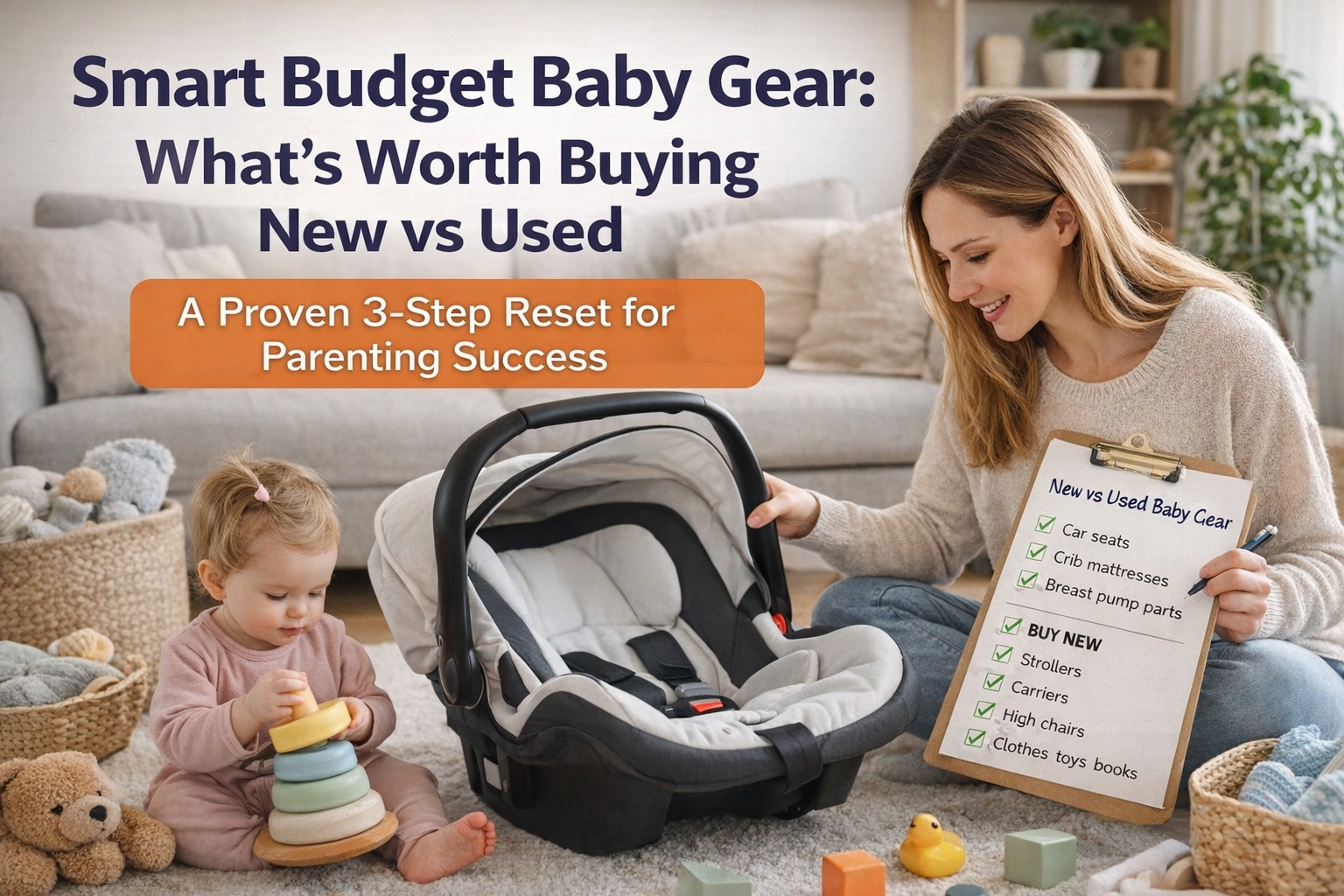
Welcoming a baby is exciting—but it can also feel overwhelming when you start pricing baby gear. From cribs and strollers to clothes and monitors, the costs add up quickly. The good news? You don’t need to buy everything brand new to give your baby a safe, comfortable start.
This guide breaks down smart budget baby gear decisions so you know what’s worth buying new, what’s safe to buy used, and what to avoid secondhand altogether. With the right approach, you can save thousands without sacrificing safety or quality.
Why Smart Budgeting Matters for Baby Gear
Babies outgrow things fast. Some products are used for months—or even weeks—before becoming obsolete. Spending full price on everything often leads to regret later.
Smart budgeting helps you:
-
Reduce unnecessary spending
-
Focus on safety where it matters most
-
Avoid clutter from short-term items
-
Invest in quality items that last
The goal isn’t to be cheap—it’s to be intentional.
The Golden Rule: Safety First, Savings Second
Before deciding whether to buy new or used, always ask:
-
Does this item impact my baby’s safety?
-
Does it expire, degrade, or get recalled?
-
Can wear and tear make it unsafe?
If the answer to any of these raises doubt, buy new.
Baby Gear You Should Always Buy New
Some baby items should never be purchased secondhand due to safety, hygiene, or recall risks.
1. Car Seats (Always Buy New)
Car seats are non-negotiable.
Why new only:
-
You can’t verify accident history
-
Materials degrade over time
-
Safety standards change
-
Car seats have expiration dates
Even a minor accident can compromise a car seat’s internal structure. Buying new ensures full protection and warranty coverage.
2. Crib Mattresses
While cribs themselves can sometimes be used, mattresses should always be new.
Reasons:
-
Risk of mold and bacteria
-
Loss of firmness over time
-
Increased SIDS risk from soft surfaces
A firm, clean mattress fitted exactly to the crib is essential for safe sleep.
3. Bottles, Nipples, and Pacifiers
Anything your baby sucks or chews should be new.
Why:
-
Hygiene concerns
-
Material breakdown
-
Hard-to-detect cracks
Even with sterilization, these items degrade and can harbor bacteria.
4. Breast Pumps (Personal Use)
If you’re breastfeeding, buy a new or hospital-grade pump.
Used pumps:
-
May have worn motors
-
Can pose contamination risks
-
Often lack replacement parts
Some insurance plans cover breast pumps—check before buying.
5. Baby Cosmetics & Hygiene Products
Always buy new:
-
Diapers
-
Wipes
-
Creams
-
Baby shampoo
-
Sunscreen
Expired or opened products can irritate sensitive baby skin.
Baby Gear That’s Safe (and Smart) to Buy Used
Now for the good part—many baby items are perfectly safe to buy secondhand and can save you a lot of money.
1. Baby Clothes
Babies outgrow clothes quickly, sometimes without wearing them at all.
Why used works:
-
Minimal wear
-
Easy to wash and sanitize
-
Huge savings
Tip: Focus on everyday wear, not special occasion outfits.
2. Strollers
A gently used stroller can be a great deal.
Check before buying:
-
Brakes work smoothly
-
Wheels aren’t warped
-
Harness straps are intact
-
No recalls on the model
High-quality strollers often last through multiple children.
3. High Chairs
High chairs are often used for a short time and then stored.
Safe if:
-
Straps are secure
-
No cracks in plastic or frame
-
Stable and sturdy
Clean thoroughly before use.
4. Baby Carriers & Wraps
Soft carriers and wraps are usually safe used.
Inspect for:
-
Strong stitching
-
No tears
-
Functional buckles or rings
These items don’t expire and are easy to assess visually.
5. Toys (With Conditions)
Used toys are fine if they:
-
Are age-appropriate
-
Have no loose parts
-
Can be cleaned easily
Avoid toys with:
-
Peeling paint
-
Sharp edges
-
Old batteries or electronics issues
Items You Can Buy New OR Used (Case-by-Case)
Some baby gear falls into a gray area. The decision depends on condition, brand, and safety standards.
1. Cribs
Used cribs can be safe only if they meet current safety standards.
Must-haves:
-
Slats no more than 2⅜ inches apart
-
No drop-side mechanism
-
Solid construction
If you’re unsure, buy new.
2. Baby Monitors
Used monitors are fine if:
-
All parts work properly
-
No connectivity issues
-
Software can still be updated
Avoid very old models with weak security.
3. Bouncers & Swings
These can be used safely if:
-
Harness is intact
-
Motor works correctly
-
No recalls
Check recall databases before buying.
Where to Buy Used Baby Gear Safely
Not all secondhand sources are equal. Choose wisely.
Best Places:
-
Trusted friends or family
-
Local parenting groups
-
Community resale shops
-
Verified online marketplaces
Avoid:
-
Unknown sellers with no item history
-
Products missing parts or manuals
-
Deals that seem too good to be true
How to Clean and Sanitize Used Baby Gear
Before using any secondhand item:
-
Wash fabric parts in hot water
-
Disinfect hard surfaces with baby-safe cleaners
-
Air-dry thoroughly
-
Replace missing or worn components
When in doubt, skip the item.
Cost Breakdown: How Much You Can Save
Here’s a simple comparison to show the impact of buying used wisely:
Item New Cost (Avg) Used Cost (Avg) Stroller $400 $150 Baby Clothes (0–12m) $600 $150 High Chair $200 $70 Baby Carrier $150 $50Estimated savings in first year: $800–$1,200+
Common Mistakes Parents Make
Avoid these budgeting pitfalls:
-
Buying everything new “just in case”
-
Over-purchasing newborn items
-
Ignoring recalls on used products
-
Choosing trendy gear over practical needs
Remember: babies need care, not clutter.
Smart Budget Baby Gear Checklist
Buy New
-
Car seat
-
Crib mattress
-
Bottles & pacifiers
-
Hygiene products
Buy Used
-
Clothes
-
Strollers
-
High chairs
-
Baby carriers
-
Toys (with checks)
Final Thoughts: Spend Smart, Not More
Raising a baby doesn’t require draining your savings. By knowing what’s worth buying new and what’s safe used, you can create a secure, loving environment without unnecessary financial stress.
Smart budget baby gear choices free up money for what truly matters—your child’s health, your peace of mind, and your family’s future.
You’re not cutting corners.
You’re making informed, confident decisions—and that’s good parenting.